

 Sign-In / Register


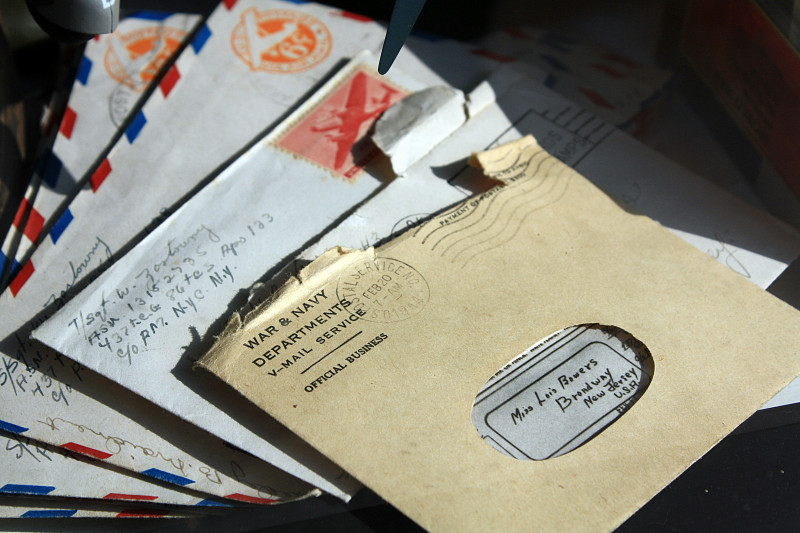
What To Do With Wrongly Delivered Post: A Guide for Occupiers
Moving into a new home often means receiving mail for previous tenants. Here’s the simple, legal way to handle it.
Why You Can't Just Throw it Away
It's tempting to toss junk mail, but post addressed to previous occupants—especially anything that looks official or personal—needs to be handled properly. Under the Postal Services Act 2000, it is a criminal offence to open mail not addressed to you. It's also important for the previous resident that their mail is redirected or returned.
Post for Past Residents is Common
Mail continues to arrive at the old address until the previous resident updates every single sender. This can take months! You're helping them out by following these easy steps.
- • Do NOT Open the mail, even if you’re curious.
- • Do NOT Write on the front of the envelope itself.
- • Do NOT Dispose of sensitive-looking post like bank statements.
The Simple 3-Step Return Method
To ensure the mail gets back to Royal Mail so they can deliver it to the correct address or return it to the sender, follow this process carefully:
Your Action Plan: Returning the Mail
- 1. Write "Not Known At This Address"
Flip the envelope over to the back. Clearly write or stick a label with the words "Not Known At This Address" or "Moved Away" on the back.
- 2. Cross Out The Address
Draw a clean line through your address on the front of the envelope. Crucially, ensure you do not cover the sender's address or the postage stamp.
- 3. Post It Back
Place the envelope straight into a post box. It does not need a new stamp or label. Royal Mail will handle the rest, returning it to the sender so the address can be corrected.
When Mail Continues to Arrive
If you've returned mail for weeks and a specific sender (like a bank, utility company, or debt collector) keeps sending new letters, you can take an extra step to stop the cycle:
Contacting Persistent Senders
Gather all the mail from that one sender (e.g., "MegaBank"). Find their official contact number or email and politely inform them that [Previous Occupant Name] no longer resides at your address, and ask them to remove your address from their records for that person.
This is often the fastest way to get a major company to update their system.
If you receive post addressed to FlatHomes, please contact us immediately! Otherwise, for previous tenants, the 3-step return method is all you need.