

 Sign-In / Register


Spotting Electrical Hazards: A Quick Guide
For Contract Holders and Landlords
Introduction to Electrical Safety
Electrical safety is paramount in any property, whether you're a contract holder living in a rented space or a landlord responsible for your contract holders' well-being. Faulty electrics can lead to serious consequences, including fires, electric shocks, and even fatalities. This guide aims to equip both parties with the knowledge to identify common electrical hazards, ensuring a safer living environment for everyone.
Common Electrical Hazards to Watch For
1. Frayed or Damaged Wires
Visible signs of wear and tear on electrical cords or appliance wires (e.g., exposed copper, cuts, or cracks) are a major red flag. These can easily short-circuit or cause electric shocks.
2. Overloaded Sockets or Extension Leads
Plugging too many appliances into a single socket or extension lead can cause overheating, potentially leading to fires. Always adhere to the rating of the socket or extension lead.
3. Scorched Sockets or Plugs
Black marks, discoloration, or a burning smell around sockets, plugs, or appliances indicate overheating and serious electrical issues. Immediate action is required.
4. Flickering Lights or Tripping Breakers
Frequent flickering lights or circuit breakers that trip regularly suggest an underlying electrical problem, possibly an overloaded circuit or a fault within the wiring system.
5. Hot Plugs or Appliances
It's normal for some appliances to get warm, but if a plug, socket, or the appliance itself becomes excessively hot to touch, it could indicate an electrical fault.
6. Exposed Electrical Wiring
Any exposed wiring, whether from a loose connection, a damaged wall, or an appliance, is extremely dangerous and must be addressed immediately.
If You Are a Contract Holder (Tenant):
- Regular Checks: Periodically inspect visible wiring, plugs, and sockets for any signs of damage or wear.
- Report Immediately: If you spot any of the hazards listed above, or experience frequent electrical issues, report them to your landlord or property management without delay.
- Do Not DIY: Never attempt to repair electrical issues yourself unless you are a qualified electrician. This can be extremely dangerous and may invalidate your tenancy agreement.
- Safe Usage: Use appliances according to their instructions and avoid overloading sockets.
If You Are a Landlord:
- Electrical Safety Checks: Ensure your property undergoes regular electrical safety checks (e.g., an Electrical Installation Condition Report - EICR) by a qualified electrician, typically every 5 years or upon a change of tenancy.
- Appliance Safety: Any appliances provided with the property is recommended to be regularly PAT (Portable Appliance Testing) tested.
- Address Reports Promptly: Respond swiftly to any electrical issues reported by your tenants. Ignoring hazards can lead to serious accidents and legal repercussions.
- Qualified Professionals: Always use certified and qualified electricians for any electrical work, repairs, or installations.
- Provide Information: Ensure your tenants are aware of who to contact in case of an electrical emergency.
What to Do If You Spot a Hazard:
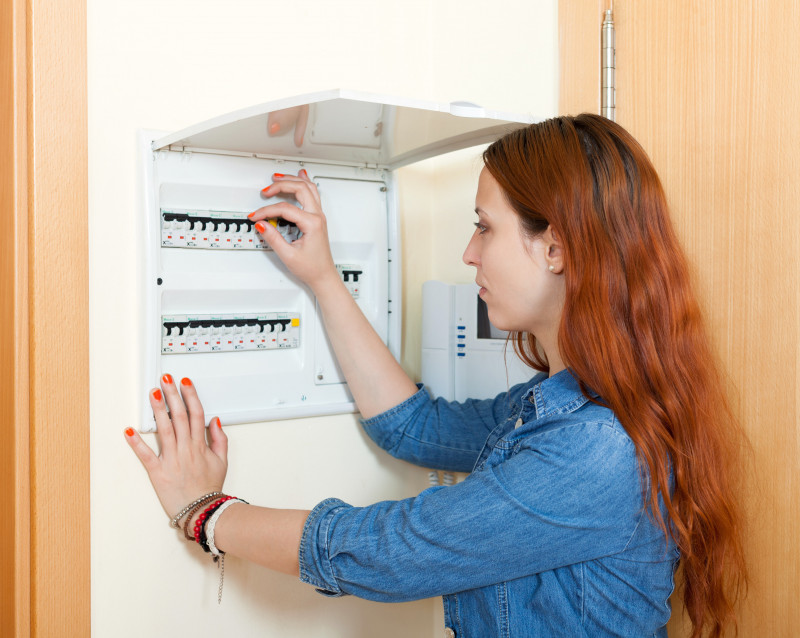
- Stay Safe: If it's safe to do so, immediately switch off the power supply at the main consumer unit (fuse box).
- Avoid Contact: Do not touch any exposed wires or faulty appliances.
- Report It: For contract holders, contact your landlord/property manager immediately. For landlords, contact a qualified electrician.
- Evacuate if Necessary: In case of a fire or strong burning smell, evacuate the property and call emergency services.